
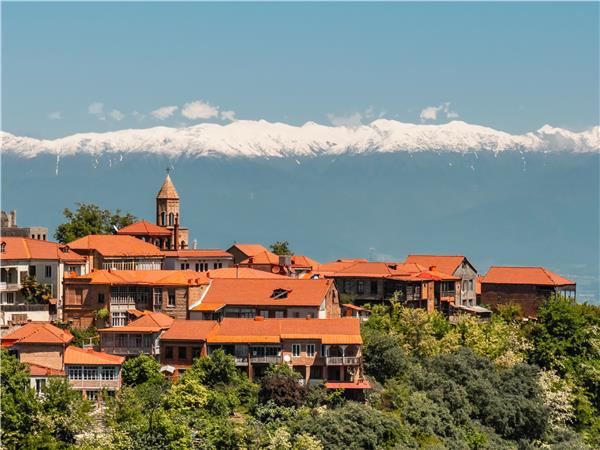

Radtouren im Kaukasus: Explore Georgia’s Mountains, Valleys and Scenic Routes by Bike
Cycling through the Caucasus in Georgia is one of the most rewarding ways to explore the country’s natural beauty and cultural depth. Radtouren im Kaukasus offer a unique combination of challenging mountain routes, peaceful valley roads, traditional villages, and breathtaking landscapes that change constantly with altitude and region.
Georgia is especially suitable for cycling tours because of its diverse geography. Within a single journey, cyclists can experience high mountain passes, river valleys, vineyards, and ancient towns. This makes bike tours an ideal option for travelers who want both adventure and authentic cultural experiences.
Introduction to Cycling in Georgia
Georgia is located at the crossroads of Europe and Asia, and its terrain reflects this diversity. The Caucasus Mountains dominate the northern region, while fertile plains, wine regions, and semi-arid landscapes spread across the rest of the country.
Cycling here is not only a physical activity but also a cultural journey. Roads often pass through small villages where traditional life is still preserved. Riders encounter hospitality, local cuisine, and historic landmarks along the way.
Radtouren im Kaukasus can be organized as guided tours or independent routes, depending on experience level and preference.
Step 1: Choosing the Right Cycling Route
The first step in planning a cycling tour in Georgia is selecting the appropriate route. The country offers a wide range of cycling paths suitable for beginners, intermediate riders, and advanced cyclists.
Popular cycling regions include:
- Kazbegi and the Georgian Military Road for mountain scenery
- Kakheti for vineyard landscapes and wine villages
- Svaneti for extreme mountain adventure
- Borjomi and central Georgia for forest and valley routes
- Adjara and Batumi region for coastal cycling
Each region offers a different level of difficulty and scenery, so choosing the right route is essential for a successful experience.
Step 2: Preparing Equipment and Fitness Level
Cycling in the Caucasus requires proper preparation. The terrain can vary from smooth roads to steep mountain climbs, so a suitable bike is important. Radtouren im Kaukasus provide active adventures through mountains, valleys, and rural landscapes.
Mountain bikes or hybrid bikes are recommended for most routes due to changing road conditions. Riders should also ensure they have appropriate safety gear, including helmets, repair kits, and weather-appropriate clothing.
Fitness level is another important factor. Some routes, especially in mountainous areas like Svaneti or Kazbegi, require strong endurance and climbing ability.
Step 3: Starting the Journey from Tbilisi or Regional Hubs
Most Radtouren im Kaukasus begin in Tbilisi, the capital of Georgia. From here, cyclists can easily access major routes leading into different regions of the country.
Tbilisi itself offers urban cycling paths and serves as a logistical base for longer tours. Alternatively, some travelers start directly in regional hubs such as Telavi in Kakheti or Mestia in Svaneti, depending on their chosen route.
This step involves organizing transport, accommodation, and daily cycling stages.
Step 4: Exploring the Kakheti Wine Region by Bike
One of the most popular cycling destinations in Georgia is the Kakheti wine region. This area is ideal for moderate cycling tours due to its rolling hills and scenic vineyard landscapes.
Cyclists pass through traditional villages, historic monasteries, and wine-producing estates. The region is known for its ancient winemaking tradition, making it a perfect combination of culture and outdoor activity.
Stops often include wine tastings and local food experiences, adding cultural depth to the cycling journey.
Step 5: Mountain Cycling in Kazbegi
For more experienced cyclists, the Kazbegi region offers a challenging but rewarding mountain route. Located along the Georgian Military Road, this area features steep climbs, dramatic valleys, and views of Mount Kazbek.
The route includes natural landmarks such as rivers, cliffs, and alpine meadows. One of the highlights is reaching viewpoints overlooking the Caucasus peaks.
Cycling in Kazbegi requires good physical condition, but the scenery makes it one of the most unforgettable cycling experiences in Georgia.
Step 6: Adventure Cycling in Svaneti
Svaneti is one of the most remote and dramatic cycling destinations in Georgia. The region is known for its medieval stone towers, high mountain passes, and untouched landscapes.
Cycling here is more challenging due to steep terrain and changing weather conditions. However, it offers one of the most authentic adventure experiences in the Caucasus.
Routes often pass through villages such as Mestia and Ushguli, where traditional culture is still preserved. The combination of isolation and natural beauty makes Svaneti a highlight for advanced cyclists.
Step 7: Valley Routes and Relaxed Cycling
Not all cycling routes in Georgia are extreme. Many valleys offer relaxed and scenic cycling options suitable for beginners or leisure travelers.
Regions such as Borjomi and parts of central Georgia provide forested paths, river views, and gentle slopes. These routes are ideal for travelers who want to enjoy nature at a slower pace.
Valley cycling also allows more time for cultural stops and photography.
Step 8: Experiencing Georgian Hospitality Along the Route
One of the most important aspects of Radtouren im Kaukasus is the experience of Georgian hospitality. Along cycling routes, travelers often stay in guesthouses or family-run accommodations.
Local hosts provide traditional meals, often made with fresh ingredients and regional specialties. Hospitality is a key part of Georgian culture, and cyclists are frequently welcomed as honored guests.
This cultural interaction adds depth to the cycling experience and creates lasting memories.
Step 9: Understanding Weather and Seasonal Conditions
Weather plays a significant role in cycling in Georgia. The best cycling season is typically from late spring to early autumn.
In summer, mountain regions are accessible and green, while valleys are warm and ideal for long rides. In autumn, vineyards and forests create colorful landscapes.
Winter cycling is possible in some lowland regions but is generally not recommended in high mountain areas due to snow and ice.
Step 10: Ending the Journey and Reflecting on the Experience
Most cycling tours conclude back in Tbilisi or another major city. This final step often includes rest, cultural exploration, and reflection on the journey.
Cyclists typically review their route, share experiences, and enjoy the contrast between urban life and the natural landscapes they have explored.
The journey through the Caucasus leaves a strong impression due to its combination of physical challenge, cultural discovery, and natural beauty.
Conclusion
Radtouren im Kaukasus offer one of the most diverse and rewarding cycling experiences in the world. From vineyard-covered valleys in Kakheti to the high mountain passes of Kazbegi and the remote beauty of Svaneti, Georgia provides a unique setting for adventure by bike.
The combination of natural landscapes, cultural heritage, and warm hospitality makes cycling in Georgia more than just a sport. It becomes a complete travel experience that connects travelers with the heart of the Caucasus region.